
Relocating to a new home or workspace can be both exciting and overwhelming, especially when trying to decide how to plan for the journey ahead. One of the most important distinctions people face is whether their move is considered local or long-distance. While both types of relocation share common elements like packing, organizing, and transportation, the strategies required for each can vary significantly. Understanding the key differences between local and long-distance moves allows individuals to plan effectively, reduce stress, and ensure that their belongings arrive safely. Whether moving a short distance across town or preparing for a major transition across regions, thoughtful preparation is the foundation of a successful relocation.
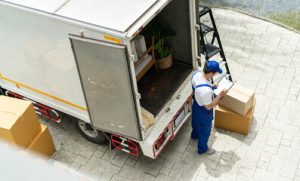
Local Warren MI Movers are often perceived as simpler because they involve shorter travel times and fewer logistical complications. However, this assumption can sometimes lead to underestimating the amount of planning required. Even short-distance moves demand organization, proper packing, and efficient scheduling. One advantage of a local move is flexibility; multiple trips may be possible, allowing individuals to transport smaller loads over time. This flexibility can reduce pressure, but it can also lead to disorganization if a clear plan is not established. Creating a structured timeline and identifying priorities ensures that even a short relocation stays on track.
In contrast, long-distance moves require a higher level of coordination and foresight. Because the journey may involve extended travel times, overnight transportation, or additional handling of items, every detail must be carefully considered. Packing must be more secure, timelines must be precise, and communication becomes even more essential. Long-distance relocations often involve more complex logistics, including vehicle planning, route considerations, and delivery scheduling. Without proper preparation, the challenges of distance can quickly turn into unnecessary stress and unexpected delays.
One of the primary differences between local and long-distance moves lies in the packing process. For a local move, some items may be transported without extensive packaging, especially if multiple trips are possible. However, long-distance moves require durable packing materials and reinforced boxes to withstand extended handling. Fragile items, electronics, and valuable belongings should be wrapped carefully to prevent damage caused by vibration or shifting during transit. The longer the distance, the more important it becomes to prioritize protection and stability inside every box.
Budget planning also varies between these two types of moves. Local relocations may focus on hourly labor costs or short-term transportation expenses, while long-distance moves often involve fuel, storage, and additional logistical considerations. Establishing a realistic budget that accounts for these differences helps prevent financial surprises. Planning ahead allows individuals to allocate resources wisely, ensuring that essential services and materials are covered without exceeding their spending limits.
Time management plays a crucial role in both types of relocations, but the approach differs significantly. Local moves can often be completed within a single day, which may lead some people to underestimate the preparation required. Rushing through packing or failing to organize belongings beforehand can create chaos on moving day. Long-distance moves, on the other hand, require advanced scheduling to coordinate loading, transportation, and delivery. Allowing extra time for unexpected delays or weather-related challenges ensures a smoother overall experience.
Another important consideration is the emotional and mental preparation involved in relocating. Local moves may feel less disruptive because individuals often remain within familiar surroundings. However, long-distance relocations can bring significant lifestyle changes, making it important to stay organized and maintain a positive mindset. Preparing emotionally for the transition, especially when leaving behind familiar routines, can help individuals approach the move with confidence and clarity.
There are several planning tips that apply to both local and long-distance moves, though the level of detail may vary:
- Create a detailed moving checklist: Break down tasks into manageable steps, including packing schedules, utility arrangements, and transportation planning.
- Declutter before packing: Reducing the number of items being moved saves time, lowers costs, and simplifies organization.
- Label boxes clearly: Detailed labeling ensures efficient unloading and makes unpacking easier once you arrive at your destination.
- Prepare an essentials kit: Keep important documents, personal items, and daily necessities easily accessible during the transition.
When comparing local and long-distance relocations, transportation strategies are another key difference. Local moves may allow for flexible vehicle arrangements, including personal vehicles or smaller moving trucks. Long-distance relocations, however, require careful planning to ensure that all belongings fit securely within a single shipment. Weight distribution and vehicle organization become more critical during longer journeys, as items must remain stable throughout extended travel.
Communication is equally important in both types of moves but may require different approaches. During a local move, communication often focuses on coordinating schedules and ensuring that everyone involved understands their responsibilities. Long-distance moves may require ongoing updates regarding timelines, delivery windows, and transportation progress. Maintaining clear communication reduces uncertainty and allows individuals to adapt quickly if plans change unexpectedly.
Packing techniques also evolve depending on the distance involved. For example, local moves may allow for reusable containers or less rigid packing methods, while long-distance relocations benefit from reinforced packaging designed to withstand extended handling. Professionals often recommend double-wrapping fragile items and using high-quality packing materials to prevent damage. Proper packing not only protects belongings but also saves time and money by reducing the likelihood of repairs or replacements.
The physical demands of moving should never be overlooked. Lifting heavy furniture, navigating staircases, and organizing boxes can be exhausting regardless of distance. Preparing the moving environment by clearing pathways, protecting floors, and planning furniture placement helps reduce strain and prevent accidents. Taking breaks, staying hydrated, and maintaining a steady pace ensures that the moving process remains safe and manageable.
For those planning a long-distance relocation, additional strategies can help streamline the experience:
- Plan delivery timelines carefully: Consider travel duration and potential delays to ensure a realistic schedule.
- Protect high-value items: Use specialized packing methods or transport certain valuables separately for added security.
- Document inventory: Keeping a detailed list of items helps track belongings and simplifies unpacking.
- Prepare for arrival: Arrange utilities, furniture layouts, and essential services ahead of time to reduce stress upon arrival.
Another factor that distinguishes local from long-distance moves is the unpacking process. Local relocations often allow individuals to return to their previous space if something is forgotten, while long-distance moves require more thorough preparation. Unpacking strategically—starting with essential rooms such as kitchens and bedrooms—helps create a sense of normalcy quickly. Organizing items based on priority ensures that the transition into the new environment feels smooth rather than overwhelming.
Technology can also play a valuable role in planning any type of move. Digital checklists, scheduling apps, and inventory tracking tools help individuals stay organized and maintain control over every detail. Using technology to set reminders for important tasks, such as address changes or service transfers, reduces the likelihood of forgetting critical steps. Incorporating digital tools into your planning process adds an extra layer of efficiency and clarity.
Despite the differences between local and long-distance relocations, one common element remains: preparation is the key to success. Taking the time to evaluate your needs, establish clear goals, and organize tasks in advance can make a significant difference in how smoothly the move unfolds. Whether relocating nearby or traveling a greater distance, thoughtful planning reduces stress and ensures that every aspect of the move is handled with care.
In conclusion, understanding the distinctions between local and long-distance moves allows individuals to approach relocation with confidence and strategy. Local moves may offer flexibility and shorter timelines, but they still require organization and attention to detail. Long-distance relocations demand additional planning, secure packing, and careful coordination to ensure that belongings arrive safely. By recognizing the unique challenges and opportunities of each type of move, individuals can make informed decisions that lead to a more efficient and stress-free experience.
Relocation is not just about transporting items from one place to another; it represents a transition into a new chapter of life. With the right planning techniques, clear communication, and thoughtful preparation, both local and long-distance moves can become manageable and rewarding experiences. By following proven strategies and avoiding common pitfalls, anyone can transform the moving process into a structured journey that sets the stage for a successful and positive new beginning.